



Natural sites
in Aveyron
unusual natural sites
The Aveyron has a great diversity of scenery and crossing the département, you are quickly struck by the changing landscape: from the arid land of the Causses du Larzac to the high volcanic plateau of the Aubrac passing via the Rougier de Camarès, you quickly realise that it is a land conducive to impressive natural sites that are unusual at times.
Don’t hesitate! Walk around the “Trou” de Bozouls (Bozouls “hole”), make out the shapes of the rocks at the chaos of Montpellier le Vieux, descend the meanders of the prehistoric caves at Foissac, go for a romantic walk on the Presqu'île de Laussac (Laussac peninsula).

The omnipresent flora
In the south, on the arid land of the Causse du Larzac bathed in the Mediterranean and oceanic climates, both mountain and Mediterranean garrigue scenery are found. Here you will see the symbol of the causse, angels' hair. Will you be able to identify the 45 species of orchids (there are 150 found in France) including the rare Aveyron Ophrys that can be admired but not picked? And what about the magnificent cardabelle golden thistle ?
In the north, on the Aubrac plateaux, the fields wake in spring after having spent several months under snow. Yellow carpets of crocuses and daffodils emerge. Then, the gentians appear that are much appreciated at aperitif time and the Aubrac tea that flavours infusions and liqueurs. Botanical lovers will be won over by more than 2000 plant species to see !
Wild Fauna
A multitude of wild species evolve in complete freedom in the immense woods. Go collecting mushrooms or blackberries and you will see the footprints of foxes, wild boar, deer and hares. Raise your head and perhaps you will glimpse the tail of a red squirrel. What is the impressive bellowing you can hear in early autumn? It’s the deer rutting.
Barn owls, tawny owls, falcons, buzzards or Griffon vultures are just some of the species of birds of prey amongst the 250 that are now found today in the Aveyron.
Along the river banks, herons live alongside coypus. Apparently, even beavers have reappeared on the banks of the river Tarn.

158 results
Balade nature à Villefranche avec Gaëtan Albespy
Villefranche-de-Rouergue

Table d'orientation du Pic du Pal
Vézins-de-Lévézou
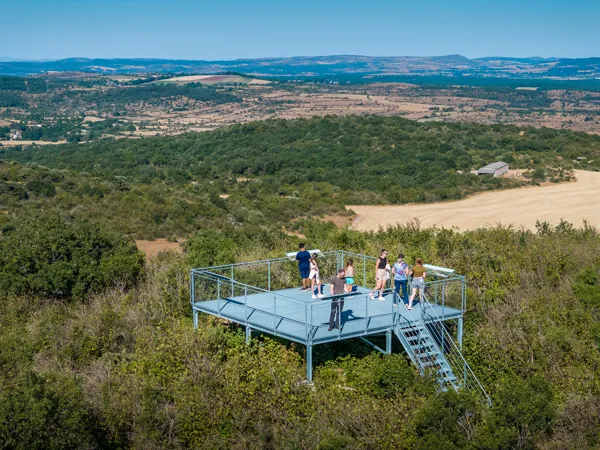
Orientation table with pretty views of the Aveyron valley, the mountains of Aubrac, Cantal...

Tournemire Circus and Plesiosaur house
Tournemire
Come and step back in time to the Jurassic period! The Tournemire amphitheatre situated between the Roquefort caves and the Templar and Hospitaller sites is an outstanding geological area.

Cascade de Muret le Château
Muret-le-Château


Visite du site des Igues du Py et de Rouffiés
Compolibat
This unique phenomenon in Rouergue is caused by erosion and generates natural abysses dug in the red clay, known under the nickname of 'the path of the fairies'.

Sentier de découverte de la Gourgue de Maroule
Argences-en-Aubrac
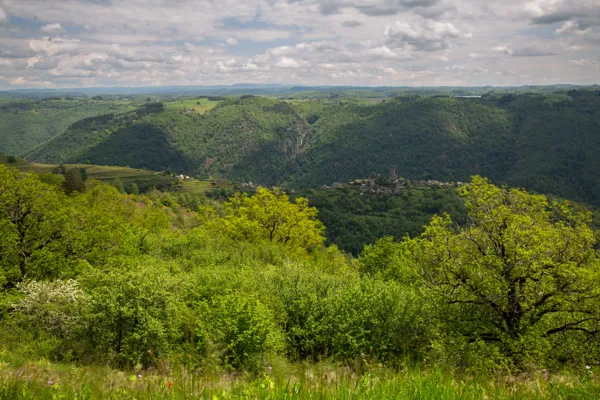
5 km circuit in Ste Geneviève sur Argence, for the exploration of the fauna and flora.

Rose Garden in Sauveterre de Rouergue
Sauveterre-de-Rouergue
The bastide's former cemetery adorn itself with the roses' colours...


Le parcours Famille de pêche des Pélies
Conques-en-Rouergue
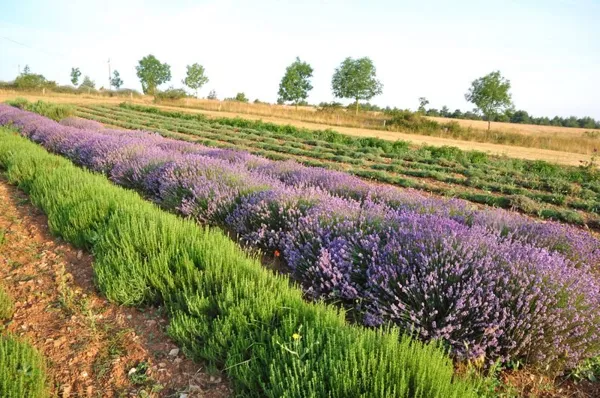

Le Jardin de la Mothe
Salles-Courbatiès
Come and discover a splendid English garden in the hamlet of the Mothe in Salles Courbatiers. The garden has obtained the label "Jardin Remarquable". We have renovated the barn and installed a grand piano which enables us to organise concerts in the garden. Each weekend and in summer the garden propose homemade drinks and pastry.

Aire naturelle de La Mouline
Prévinquières
On the banks of the river Aveyron, perfect for picnics or just for relaxing. You can holiday in the open air at the nearby campsite.


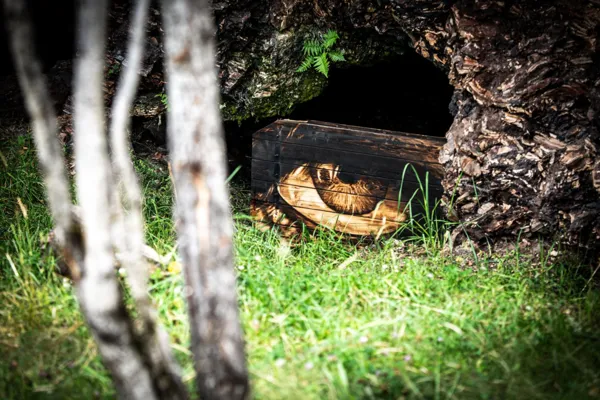
Randonnée Street-Art au cœur de la Forêt
Cransac-les-Thermes
to go
further
